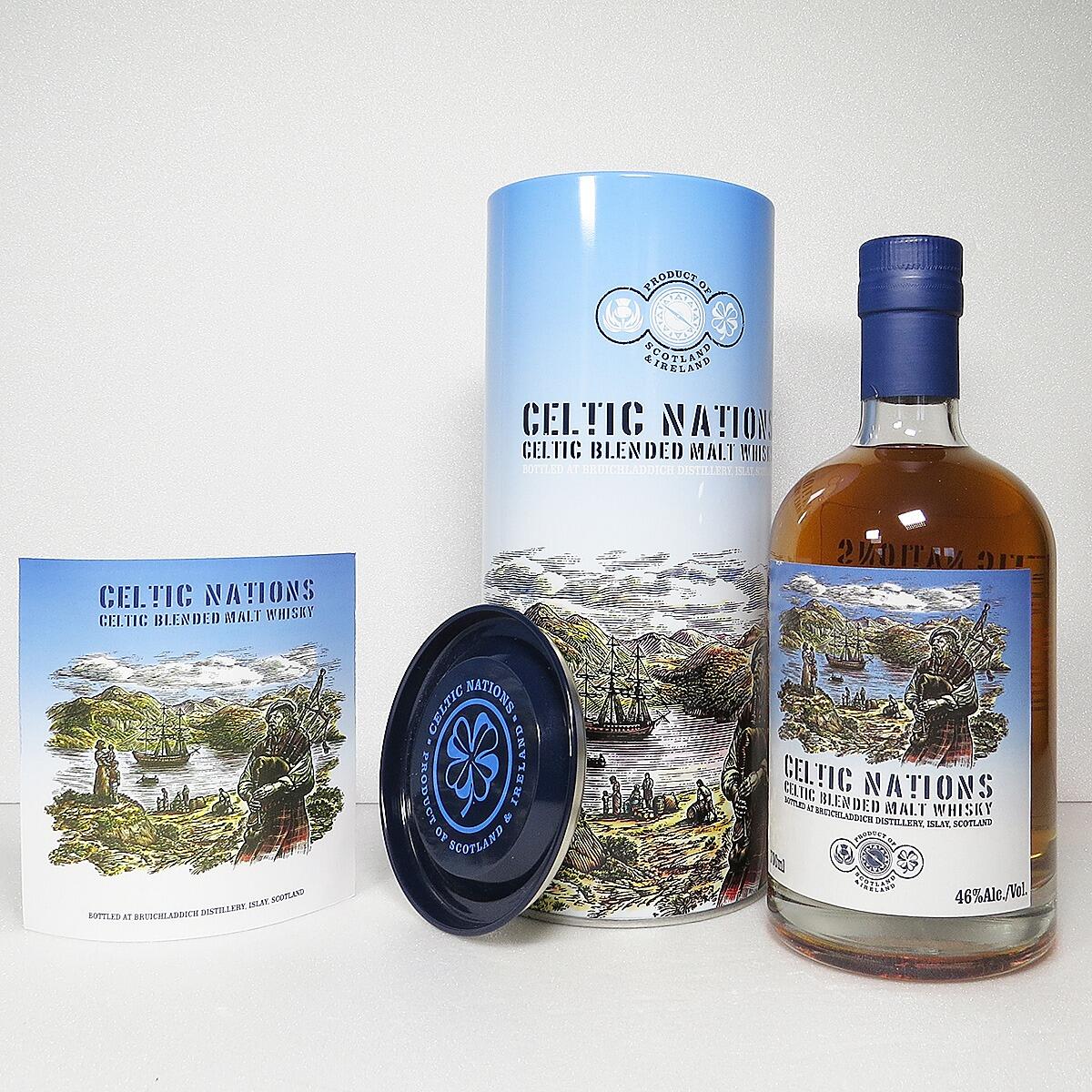
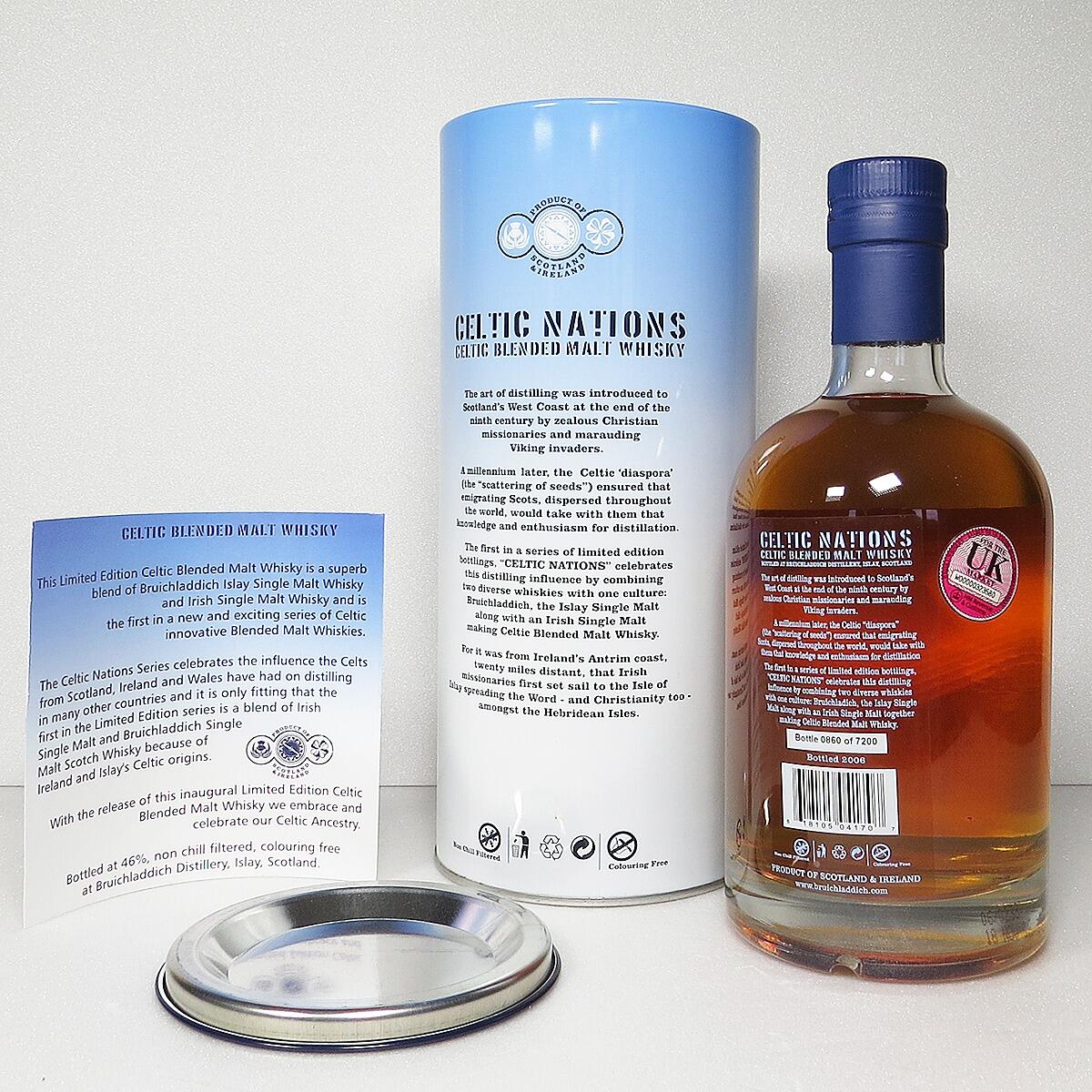
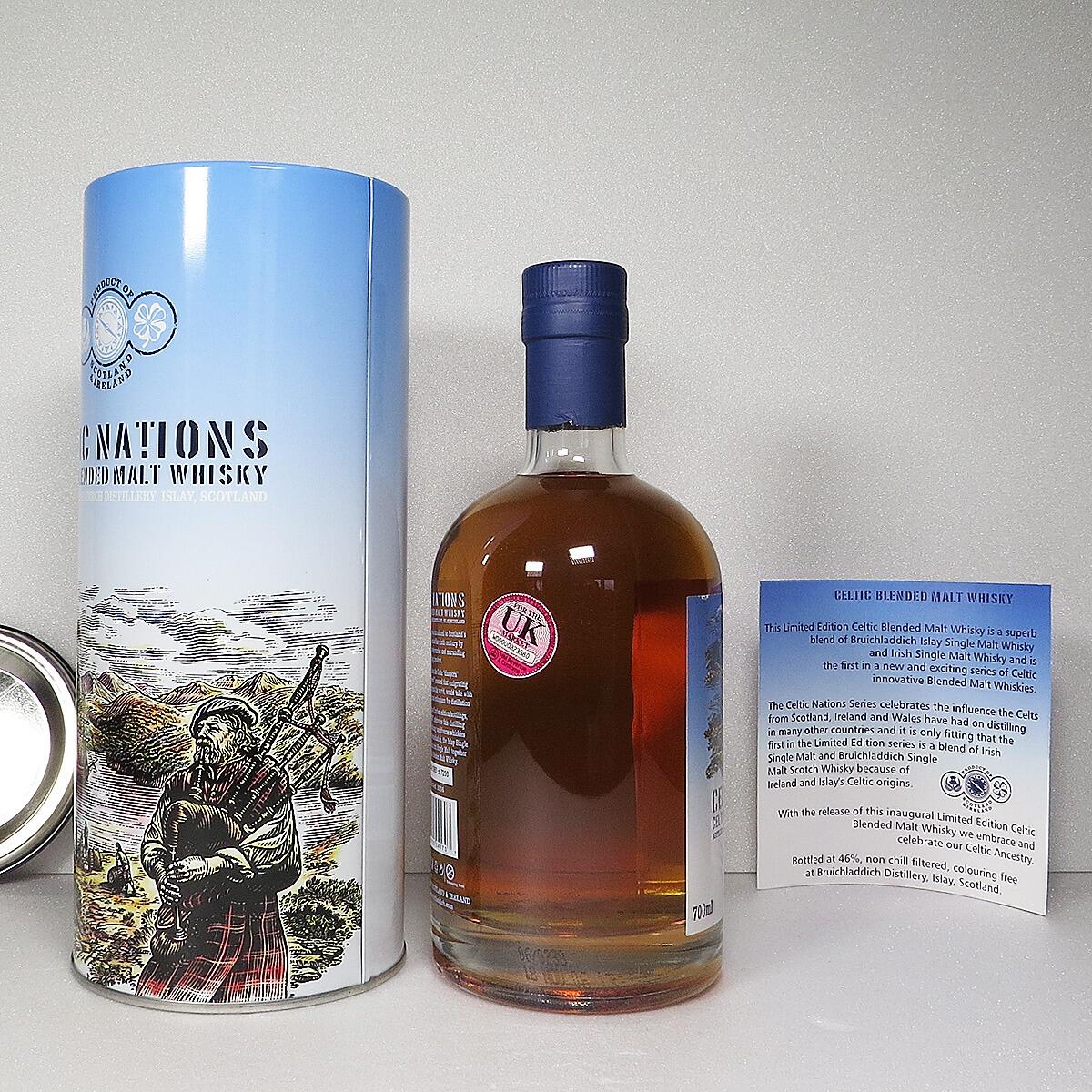
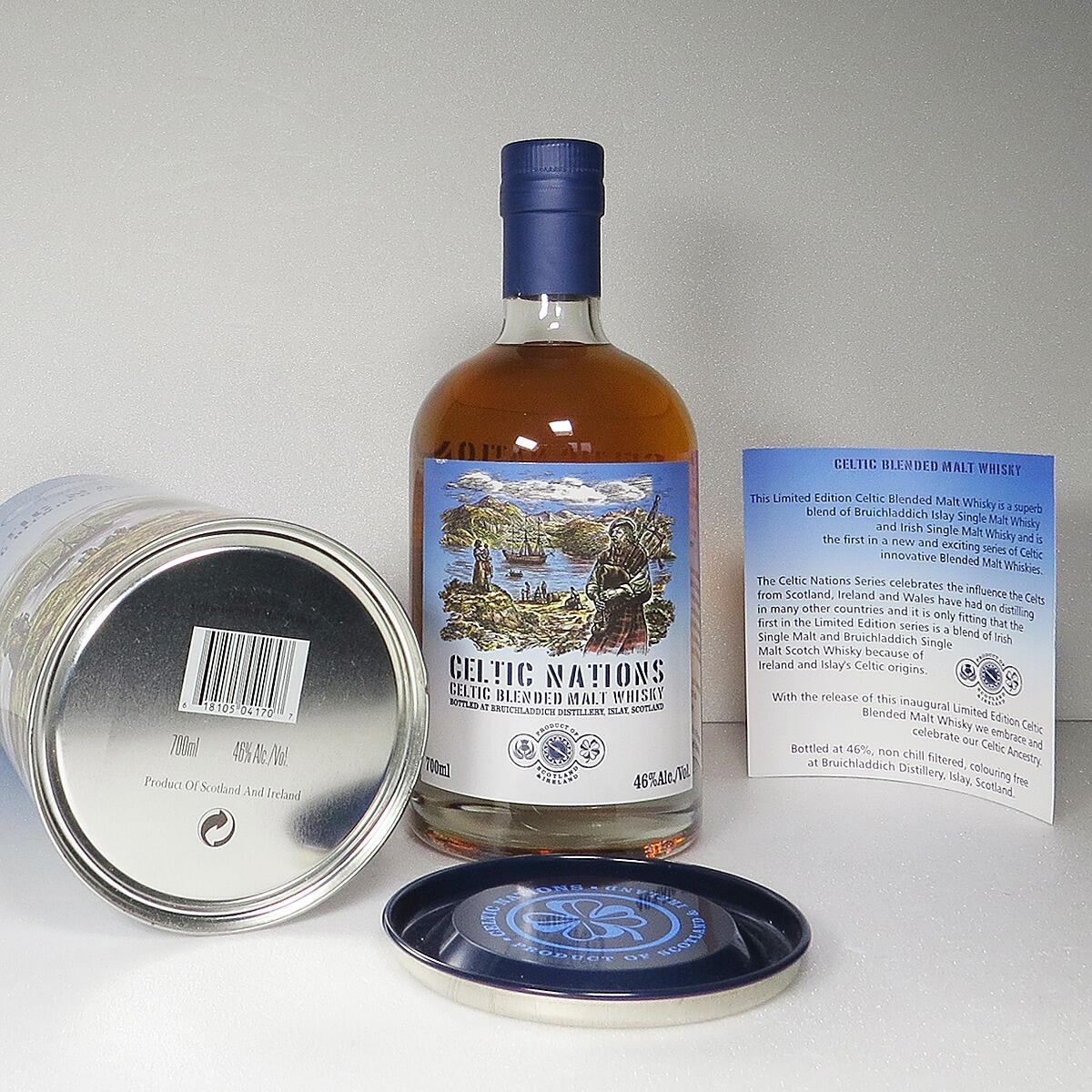
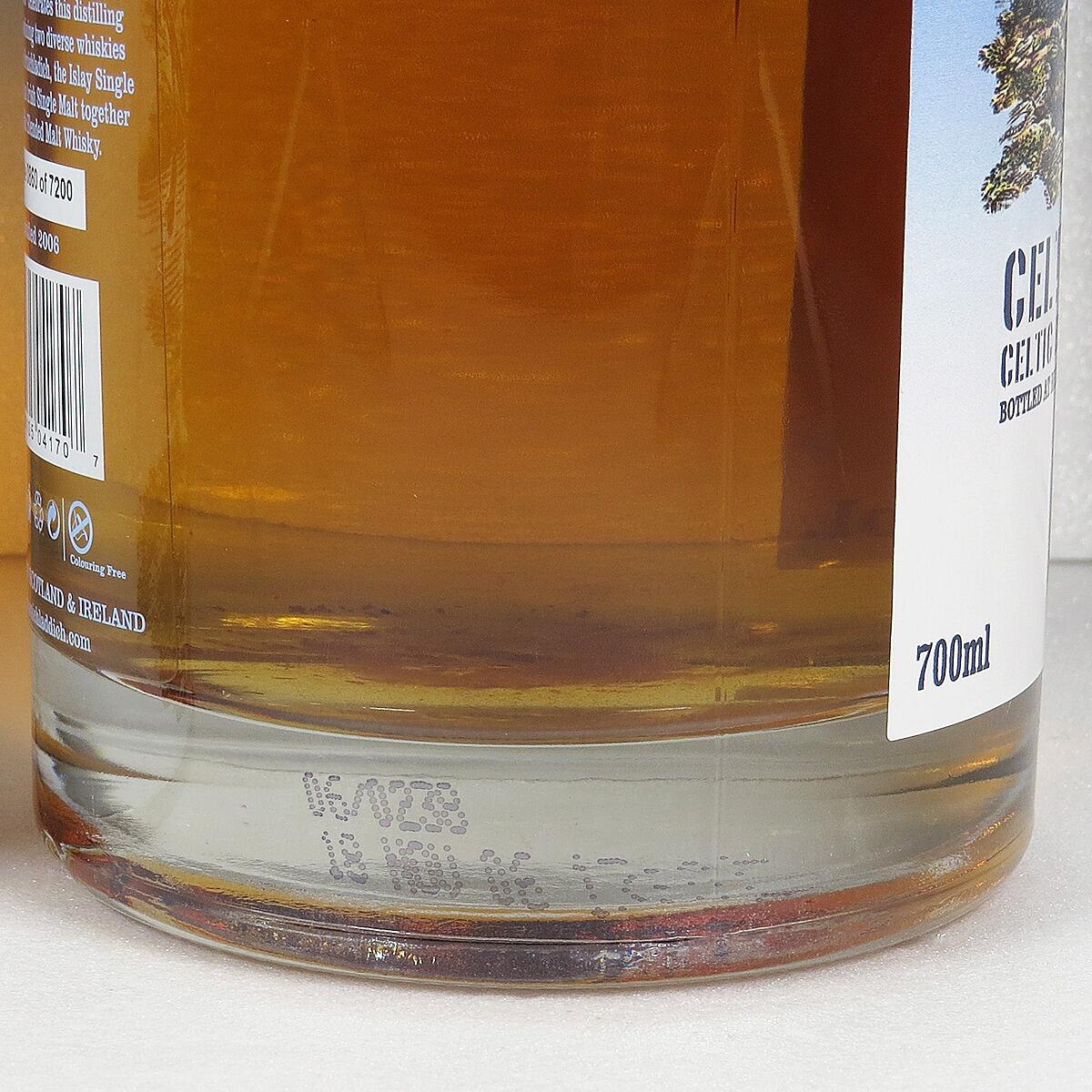
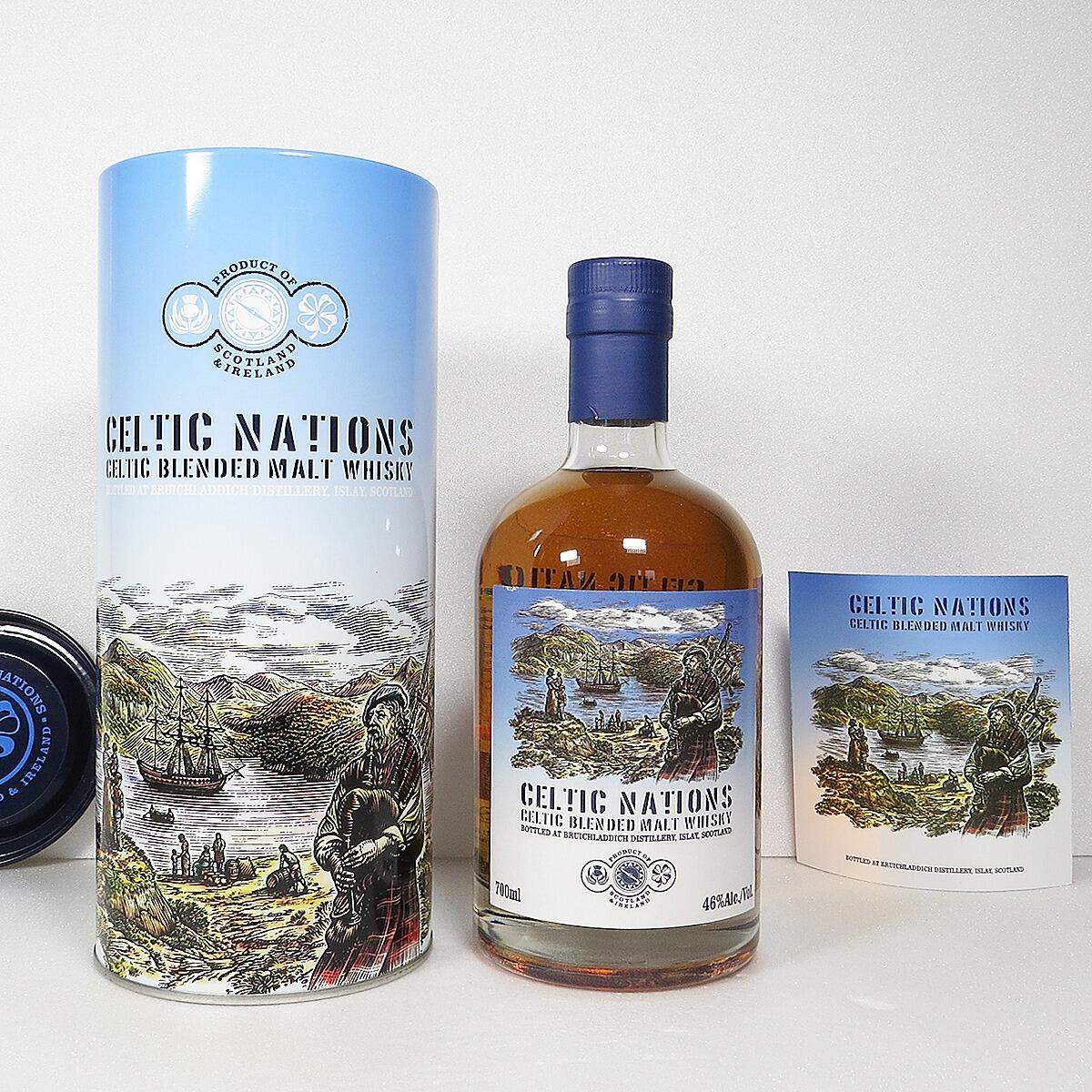
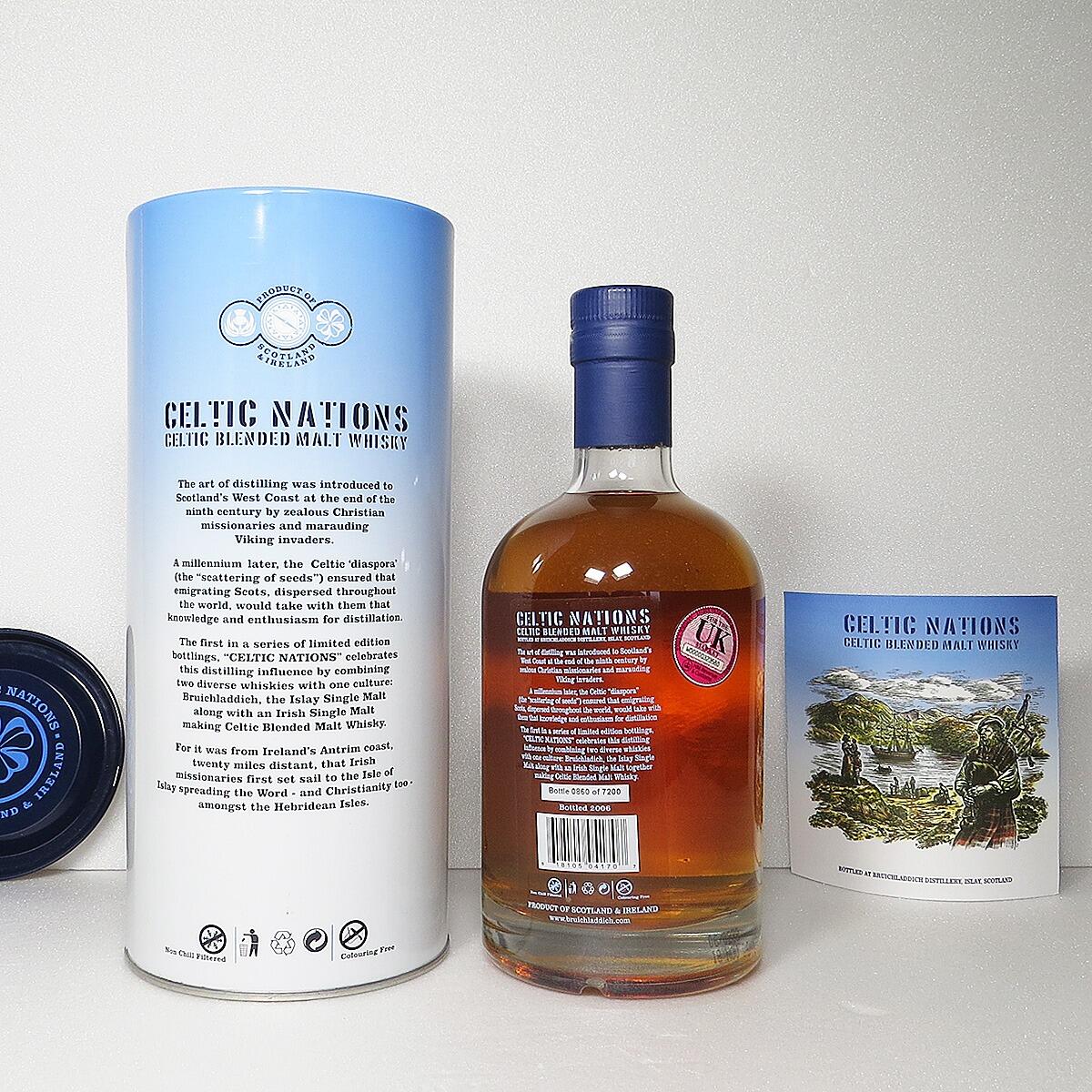
Bruichladdich Celtic Nations Limited release 2006 (70cl, 46%)
The Bruichladdich Celtic Nations (2006) is one of the most uniquely controversial releases in modern whisky history. It was a first-of-its-kind "Celtic blended malt" made by combining single malts from the Bruichladdich Distillery on Islay and the Cooley Distillery in Ireland.
The backstory and subsequent fallout make it a fascinating piece of liquid history:
The Pan-Celtic Concept: Conceived by Murray McDavid (who owned Bruichladdich at the time), this expression was meant to be an homage to the shared heritage and roots of Scotland and Ireland. It was a marrying of two highly distinct, unpeated island and mainland single malts.
The SWAs Wrath: The Scotch Whisky Association did not appreciate the multinational collaboration. They swiftly stepped in and ruled the term "Celtic malt" illegal under strict Scotch regulations, banning the marketing of it as a multinational blend.
A One-and-Done Release: Because of the strict SWA ruling, the 2006 release was immediately discontinued. It became a one-of-a-kind collector's item with a limited run of just 7,200 individually numbered bottles.
The Teeling Hybrid Sequel: Leftover casks of this Scottish-Irish marriage sat in warehouses for years. In 2012, when former Cooley owner Jack Teeling launched the Teeling Whiskey Co., he finally bottled the remaining stock as a "Hybrid Malt," letting those original 2006 casks sit for another eight years.
Today, the Celtic Nations occasionally pops up on specialist auction sites for collectors to acquire this piece of forbidden whisky history.
Built in 1881, the Bruichladdich Distillery has a legendary history defined by sibling rivalry, a drunken purchase, and total devotion to Islay. Famous for its unpeated classic, the heavily peated Port Charlotte, and Octomore (the world’s most heavily peated whisky), it is a pioneering, progressive Scotch powerhouse. For much of the 20th century, the distillery changed hands multiple times, plagued by financial trouble and changing market tastes. Following its acquisition by Whyte & Mackay, the site was unceremoniously shut down in 1994, leaving the stills silent. In 2000, independent whisky bottler Mark Reynier, while on holiday, made a drunken promise to acquire the semi-derelict facility. Alongside Islay landowners and investors, he and legendary Master Distiller Jim McEwan purchased the distillery in 2001. Rather than modernize, they carefully preserved the original Victorian equipment to focus on terroir—the belief that the soil, barley, and island environment profoundly shape the whisky's flavour. Using Scotland's last working Lomond still (lovingly nicknamed "Ugly Betty"), they produce a gin utilizing 22 foraged Islay botanicals. In 2020, it became the first European whisky and gin distillery to earn B-Corp status for its environmental stewardship and community focus. With 100% on-site operations proving its dedication to the community, every drop of Bruichladdich is matured and bottled on Islay.